

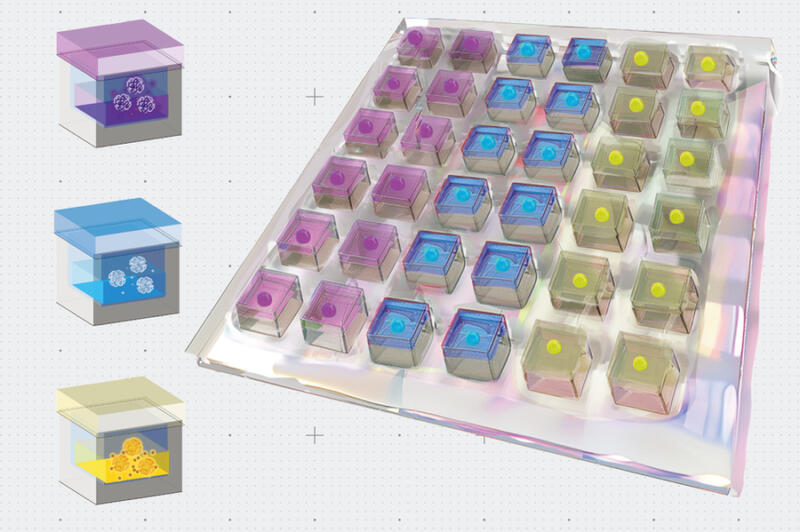
In labs at MIT, scientists are working on something that could change the way we help the heart recover after a major attack. It is a thin, flexible Smart Patch, and it might just be a game changer.
When someone suffers a major heart attack, the damaged cardiac tissue does not regenerate effectively, leading to a permanent loss of heart function. Ana Jaklenec, a biomedical engineer at MIT, explains,
“The tissue that was damaged doesn’t recover. Our goal is to restore that function and help people regain a stronger, more resilient heart after a myocardial infarction.”
A Smart patch that slowly releases on demand
Here is what the team behind it have designed. The patch is placed on the heart just after the damage happens, delivering a sequence of drugs timed precisely to support healing and growth. Instead of giving all the drugs at once, this system releases each one exactly when the heart needs it most.
The patch uses microparticles embedded in a hydrogel sheet, some particles release early, others later, matching the natural healing steps of the heart. Erika Wang, the study’s lead author at MIT, says,
“We encapsulate arrays of these particles in a hydrogel patch, and then we can surgically implant this patch into the heart. In this way, we’re really programming the treatment into this material.”
What is especially exciting is that if this approach works in humans, it could give heart attack patients access to a therapy that supports actual tissue regeneration, not just stopping further damage. Many current treatments improve blood flow but do not mend the injured heart muscle itself.
Jaklenec adds,
“We wanted to see if it’s possible to deliver a precisely orchestrated therapeutic intervention to help heal the heart, right at the site of damage, while the surgeon is already performing open‑heart surgery.”
Redefining healthcare and drug delivery
The team is now exploring ways to make the patch easier to deploy, including less invasive options like delivery via stents. While some of the drugs used in the patch are already being tested in clinical trials, others are still at earlier stages of development.
For now, there is hope. This is not just about one patch or one heart, it is about redefining the kinds of healing we can offer. For patients and families, it could mean fewer long-term consequences, less scar tissue, and a stronger recovery.
From an idea in the lab to real-world promise, this medical innovation feels like a bright new horizon for heart health.

